
Horizontal Wood Fence Ideas for Modern Homes: Design and Engineering Guide
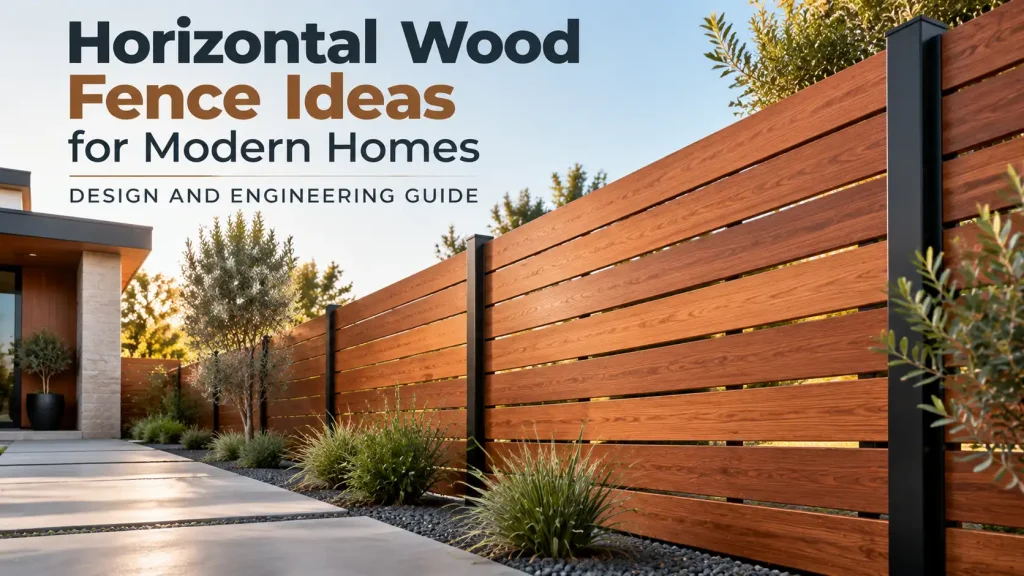
Horizontal wood fences have become the defining boundary feature for mid-century modern, contemporary, and transitional homes throughout Southern California and across the country. By orienting lumber parallel to the ground rather than vertically, a horizontal fence visually elongates property lines, emphasizes clean architectural planes, and complements flat-roof lines, low-pitch eaves, and minimalist landscaping. However, building […]
Hidden Fasteners vs. Face Screws for Hardwood Decks
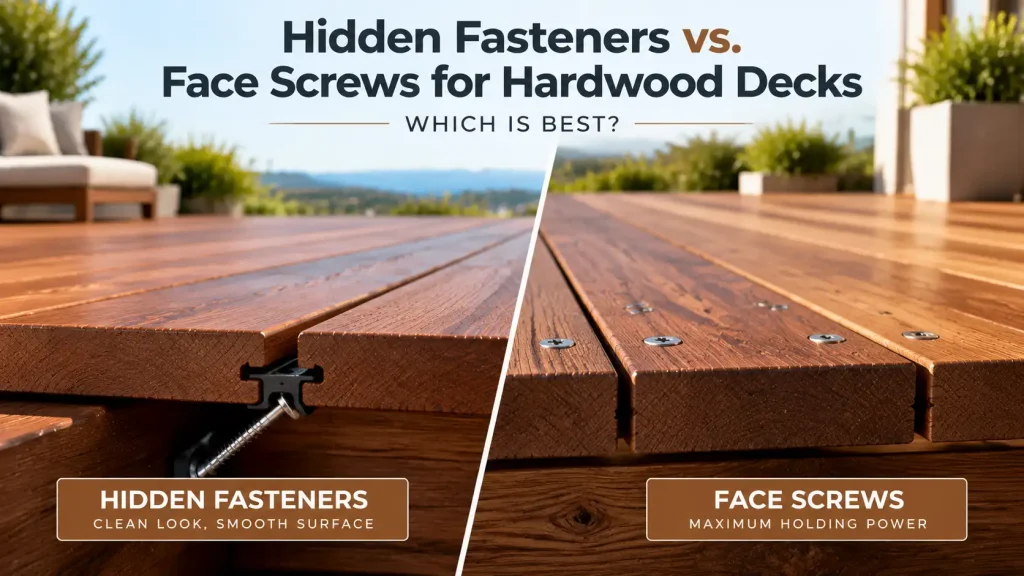
When installing an exotic hardwood deck, choosing between hidden fasteners and traditional face screwing is one of the most critical structural decisions you will make. While composite decking forgivingly adapts to almost any clip system, high-density exterior timbers such as ipe wood decking, Cumaru, and Garapa exert tremendous physical leverage as they expand and contract […]
How to Oil and Maintain a Hardwood Deck
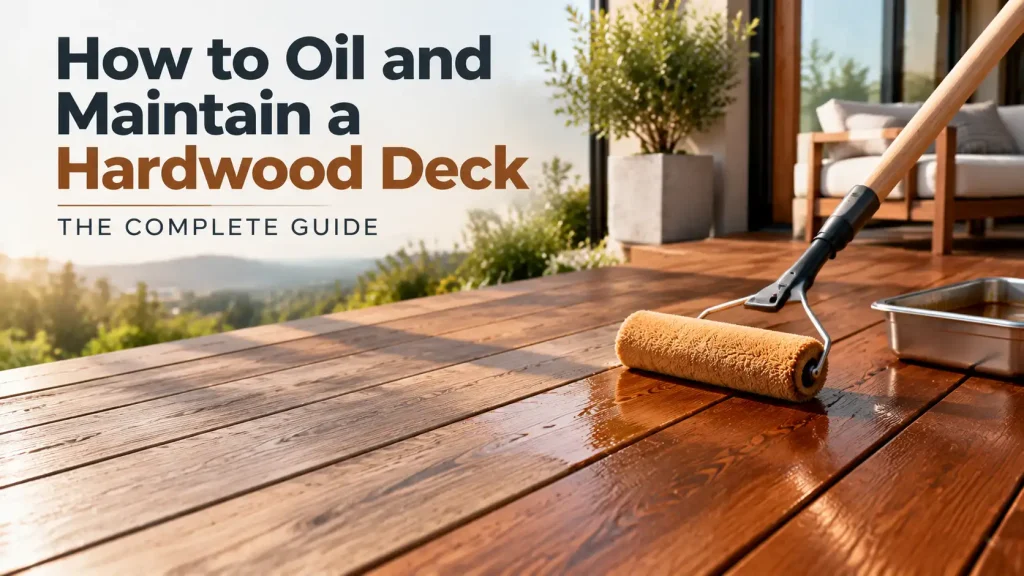
Maintaining a dense exterior hardwood deck requires an entirely different approach than treating softwoods like cedar or pressure-treated pine. Tropical hardwoods such as ipe wood decking, Cumaru, and Garapa have interlocking grain structures and extreme natural density, often exceeding 3,000 on the Janka hardness scale. Because of this high density, dense hardwoods cannot absorb heavy, […]
Thermally Modified Wood Decking: How It Works
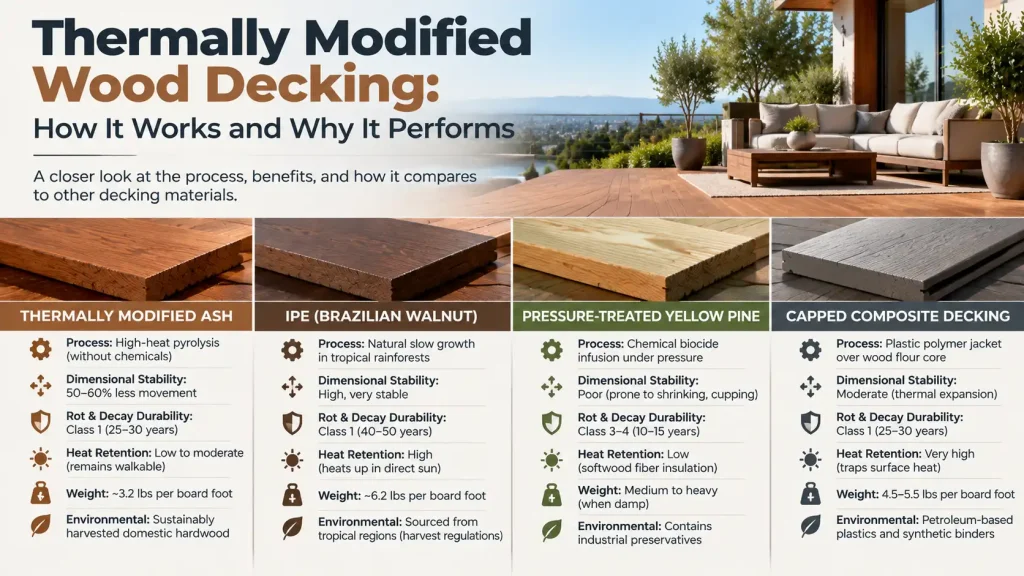
Thermally modified wood decking is natural timber that has undergone a specialized, high-heat thermal process. The boards are baked at temperatures between 360 and 415 degrees Fahrenheit (180 to 215 degrees Celsius) inside an oxygen-depleted, steam-pressurized or vacuum kiln. This clean cooking process permanently alters the cellular structure of the wood, burning off its natural […]
Cumaru vs. Ipe Decking: Cost, Hardness, and Lifespan
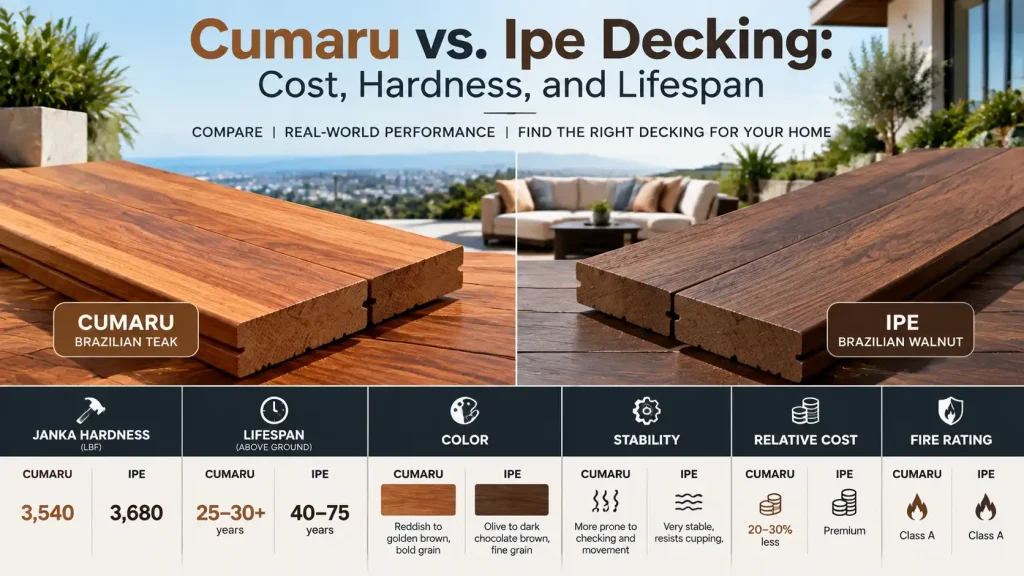
Cumaru and ipe are two of the hardest, longest-lasting decking woods on the market, and on paper they are close. Ipe is slightly harder, more dimensionally stable, and lasts longer, which is why it carries a premium price. Cumaru runs about 20 to 30 percent cheaper, brings warmer reddish-brown tones and a bolder grain, and […]
Finger Jointed vs. Solid Pine Trim: When to Use Each
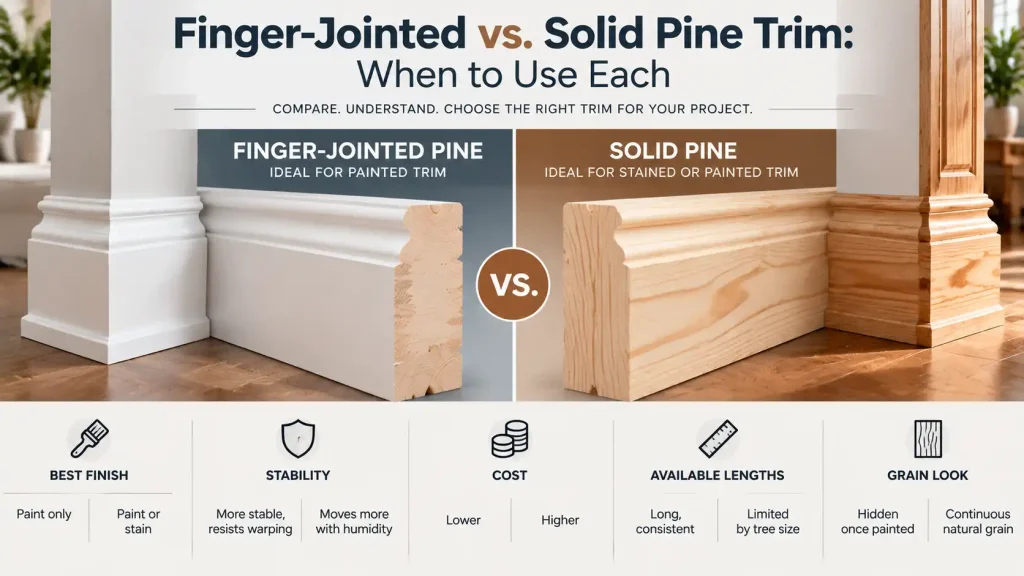
The choice between finger jointed and solid pine trim usually comes down to a single question: are you painting the trim or staining it? For painted work, finger jointed pine is the practical pick because it is straighter, more stable, and cheaper, and the joints vanish under paint. For stained or clear-finished work, solid wood […]
Baseboard Styles: Colonial, Craftsman, and Modern Profiles
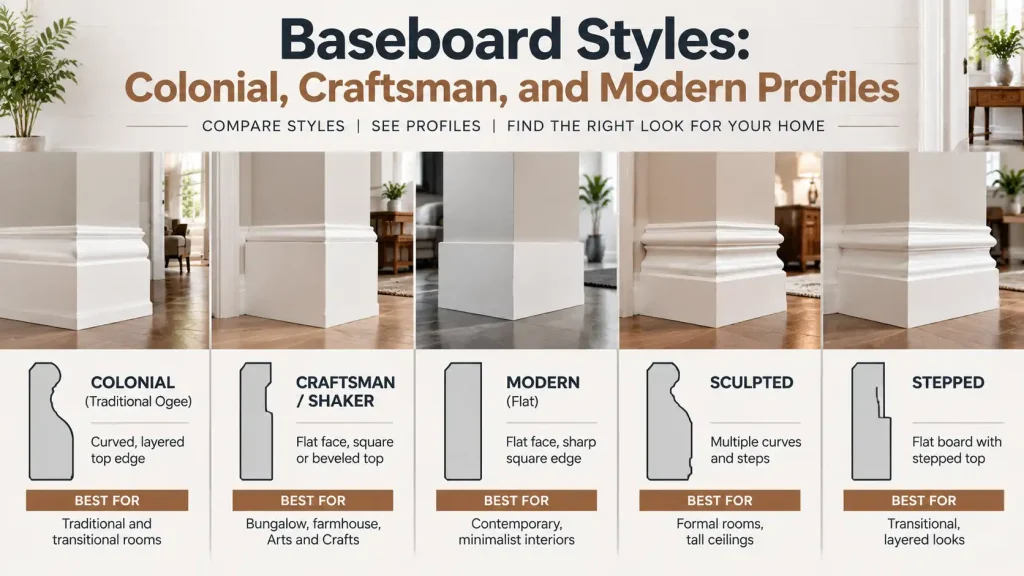
A baseboard does more than cover the joint where the wall meets the floor. Its profile, the shape of its face and top edge, sets the tone of a room and ties it to the age and style of the house. Most baseboards fall into three families: colonial with a curved top, craftsman with a […]
How Tall Should Baseboards Be? A Room-by-Room Guide
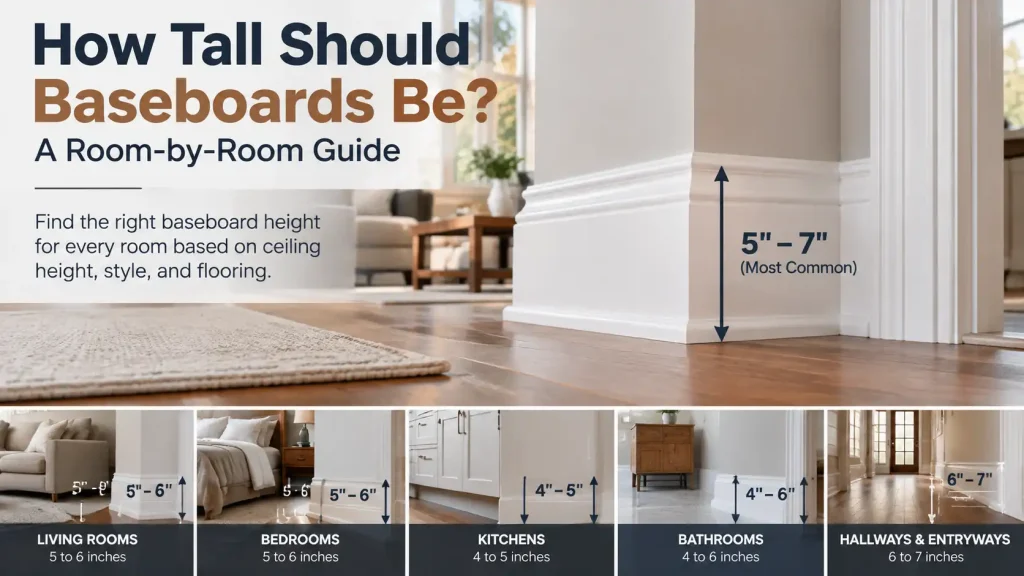
Baseboard height is one of those details that quietly decides whether a room looks finished or a little off. The short answer is that most homes look right with baseboards in the 5 to 7 inch range, but the correct height depends on your ceiling height, the size of the room, your flooring, and the […]
Types of Crown Molding: Styles, Materials, Sizes, and How to Choose
Crown molding is the decorative trim that bridges the joint between your walls and ceiling. It comes in a range of profiles cove, ogee, dentil, and more and materials from solid hardwood to paintable polyurethane, and the right choice depends on your design style, the room, and your ceiling height. This guide covers the types, […]
The Janka Hardness Scale Explained: How Flooring Species Rank
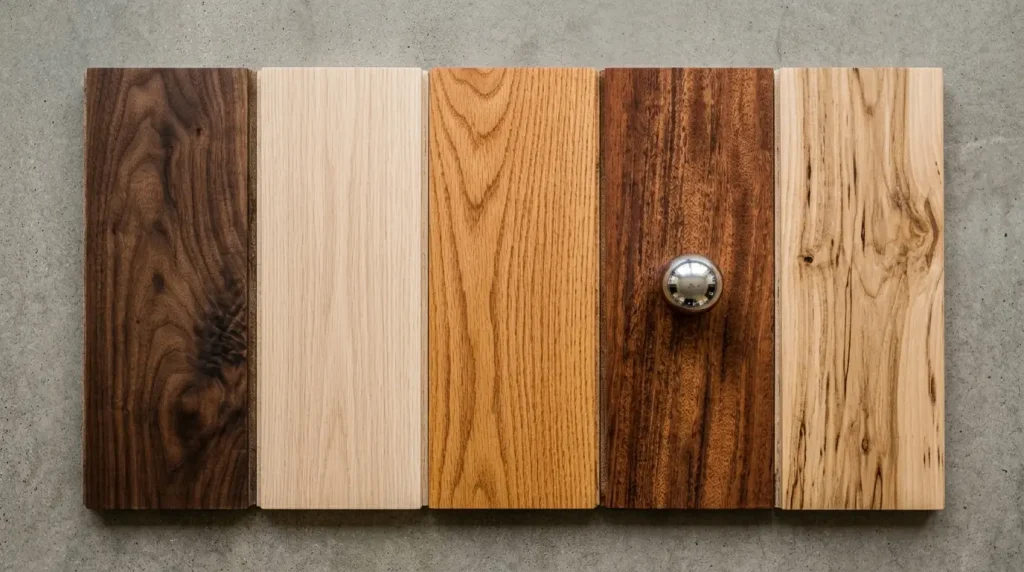
The Janka hardness scale measures how well a wood resists denting. The test records the force needed to press a 0.444-inch steel ball halfway into a wood sample, reported in pounds-force (lbf) the higher the number, the harder the wood. For flooring, roughly 1,000 lbf is the practical minimum, red oak at 1,290 is the […]
