
How Designers Specify Hardwood Flooring for Client Projects

When interior designers, architects, and high-end residential builders specify hardwood flooring, their deliverables go far beyond writing “7-inch white oak” on a floor plan. A vague wood specification creates jobsite confusion, leaves room for contractor value engineering substitutions, and risks costly structural failures down the line. A professional architectural hardwood specification functions as a legally […]
IIC and STC Ratings Explained for Multi-Family Flooring
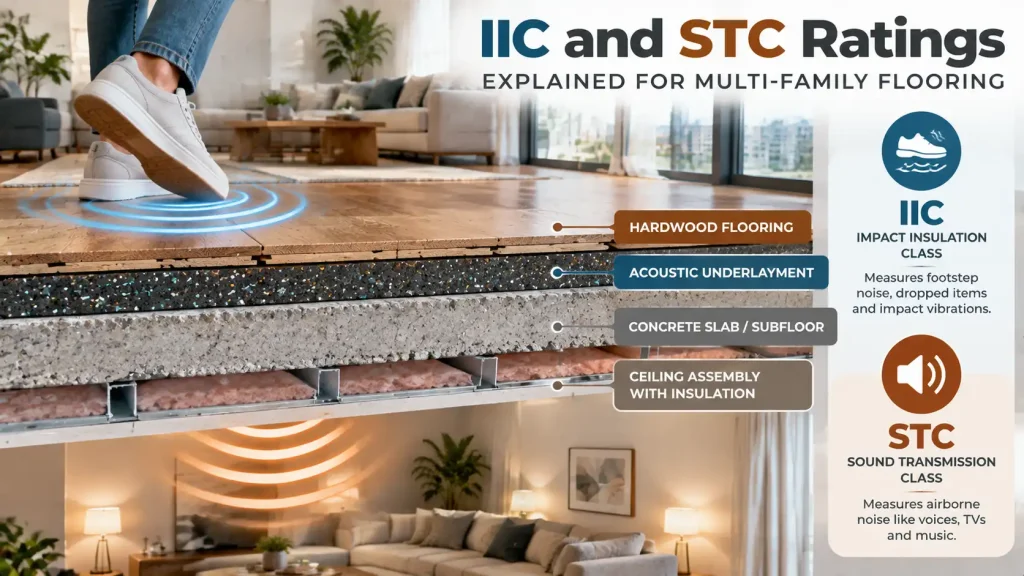
When replacing carpet with hardwood, engineered wood, or luxury vinyl in a multi-family condominium, apartment building, or townhouse, acoustic performance is usually governed by strict homeowner association (HOA) covenants and local municipal building codes. Property managers and HOAs mandate clear sound control minimums, measured through two standardized metrics: Sound Transmission Class (STC) and Impact Insulation […]
Flooring Waste Factor: How Contractors Calculate Overage

When ordering materials for a wood flooring project, purchasing only the exact square footage of your rooms is a guaranteed way to stall your installation. Professional flooring contractors always calculate and add a flooring waste factor typically between 10 percent and 20 percent above the net room measurements before placing a lumber order. Waste factor […]
How Long to Acclimate Hardwood Flooring in Southern California
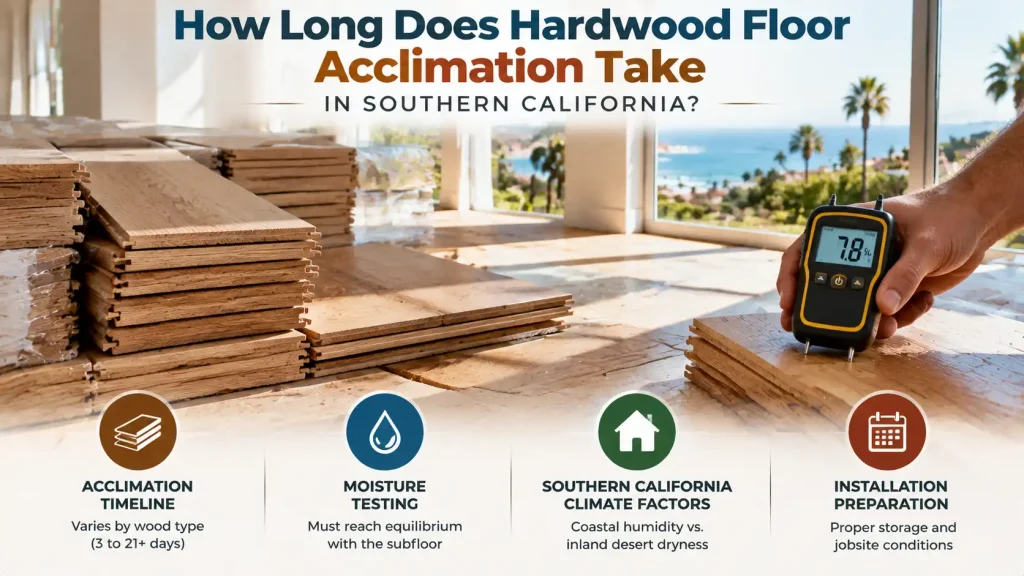
Hardwood flooring does not acclimate by a fixed calendar count. While many retail guidelines cite a generic rule of three to seven days, professional wood flooring installers in Southern California know that wood is ready for installation only when its moisture content reaches equilibrium with the subfloor and the home’s ambient living environment. According to […]
How Often Should You Refinish Hardwood Floors?
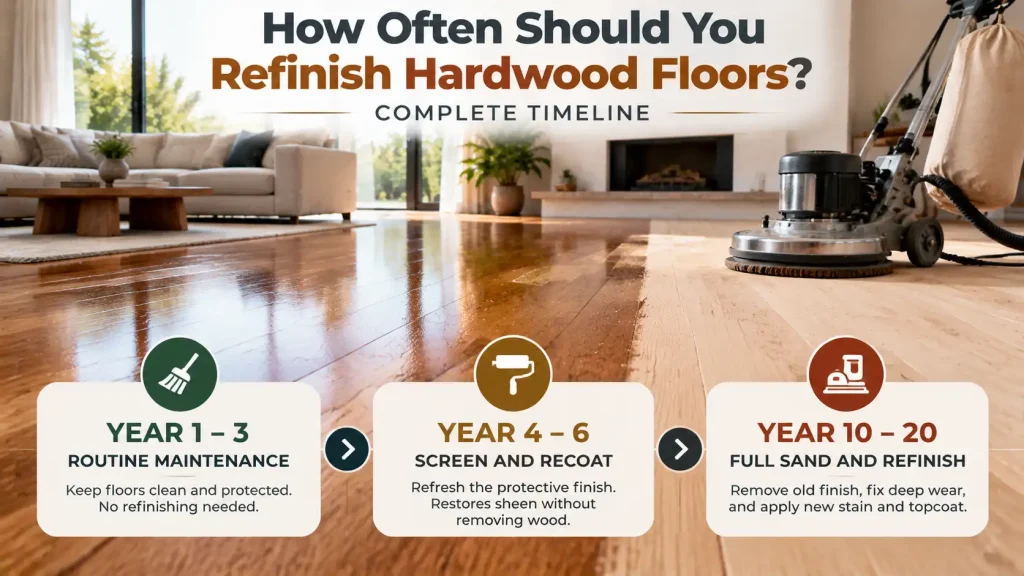
Solid hardwood floors typically require a full sand and refinish every 10 to 20 years, while high-traffic homes or spaces with active pets may need service closer to the 7- to 10-year mark. However, complete drum sanding down to bare timber is rarely necessary if you perform a routine maintenance procedure known as a screen […]
Water-Based vs. Oil-Based Polyurethane for Hardwood Floors
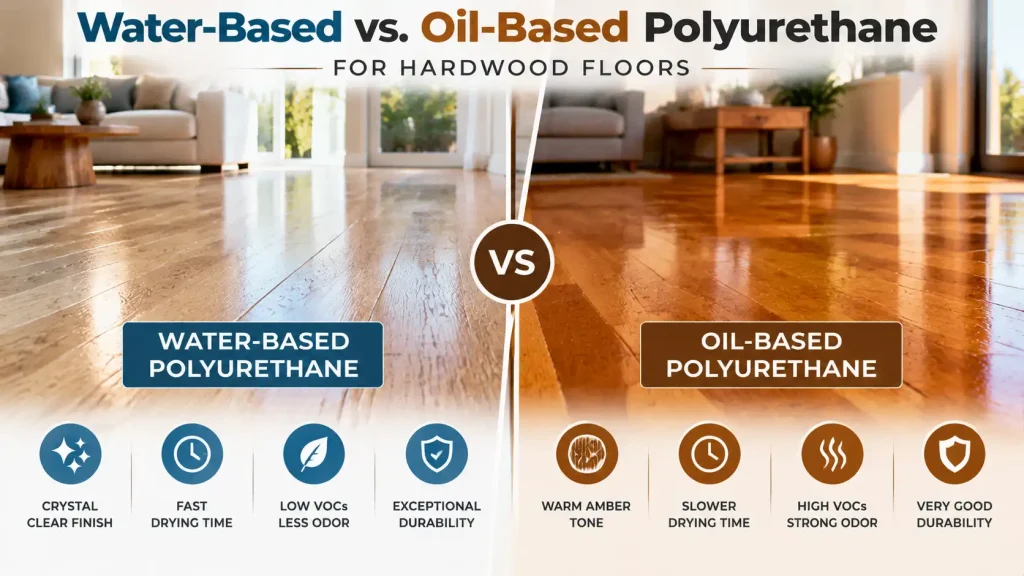
Choosing between water-based and oil-based polyurethane is one of the most critical decisions when installing or refinishing hardwood floors. The protective coating you apply dictates not only how effectively the timber repels daily traffic, spills, and pet claws, but also how the color of the wood transforms over time. While oil-based polyurethane has served as […]
Hardwax Oil vs. Polyurethane for Hardwood Floors
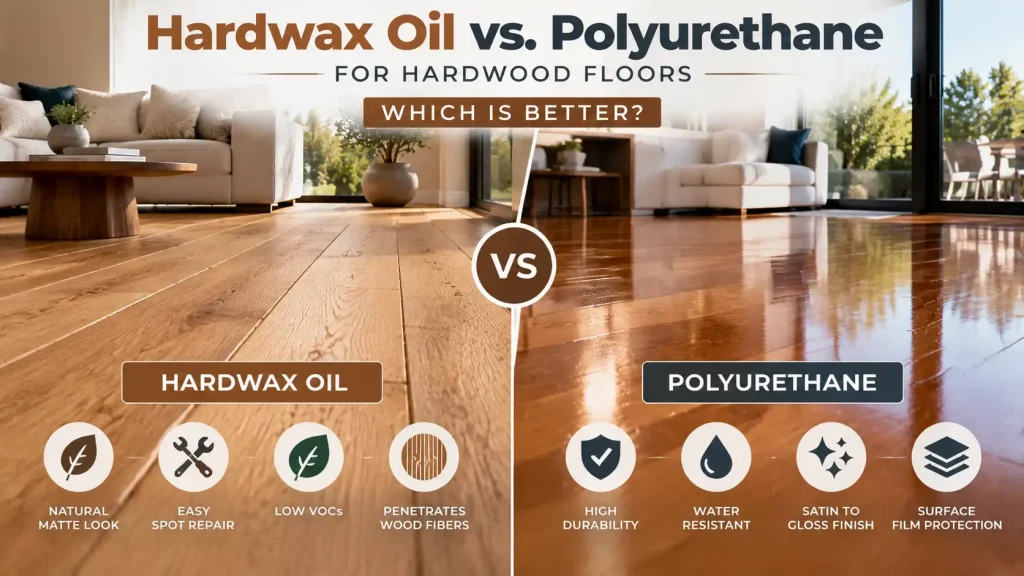
Choosing the right finish for your hardwood floors defines not only how your home looks, but also how you will live on, clean, and maintain your floors for decades. For modern residential interiors, the debate centers on two distinct finish philosophies: traditional polyurethane versus European hardwax oil. Polyurethane creates a transparent plastic film that sits […]
Cedar vs. Redwood Siding: Which Performs Better?
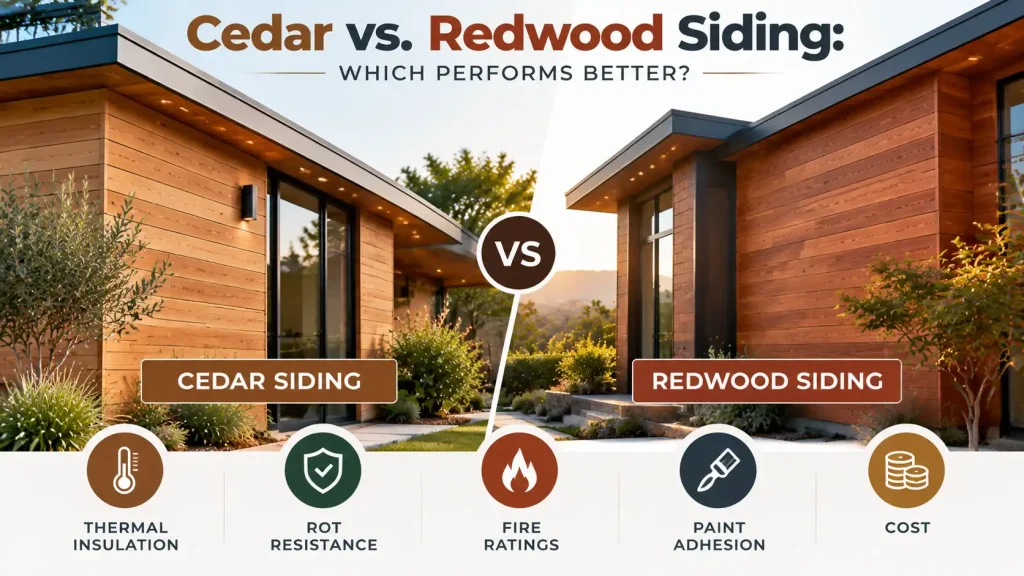
When specifying real architectural wood cladding for an exterior facade, Western Red Cedar and California Redwood remain the two premier species in North American home design. Both woods possess natural resistance to decay, straight grain patterns, and timeless curb appeal that synthetic vinyl and fiber-cement products attempt to mimic. Choosing between them is not simply […]
How Long Does a Wood Fence Last in Southern California?
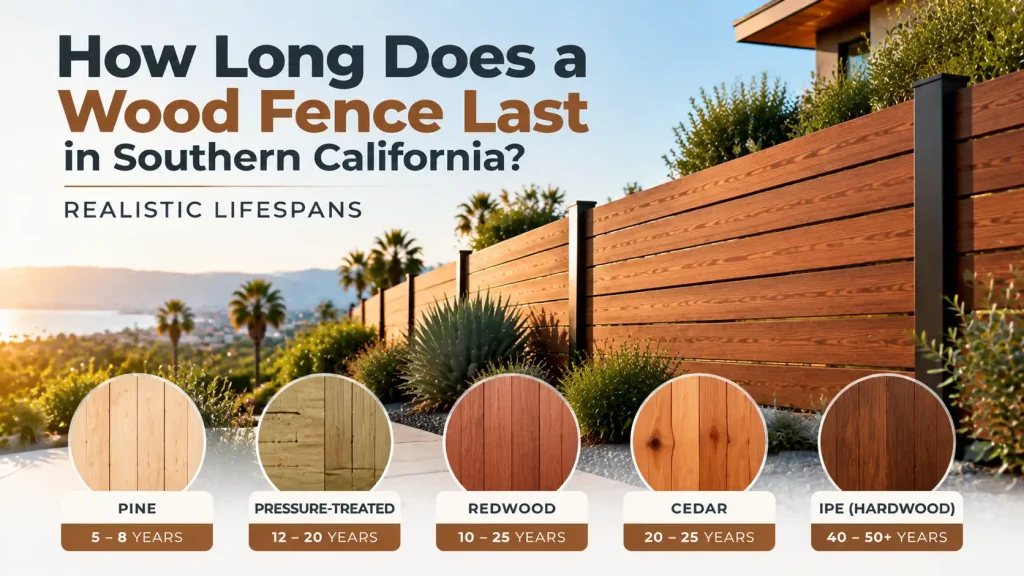
In Southern California, a standard residential wood fence lasts between 10 and 25 years, while premium architectural hardwoods can easily exceed 40 to 50 years. However, achieving the upper end of that range depends heavily on wood species selection, timber grade, ground contact protection, and seasonal maintenance. Southern California presents a unique climate challenge for […]
Ipe vs. Redwood Fencing: Cost and Lifespan in Southern California
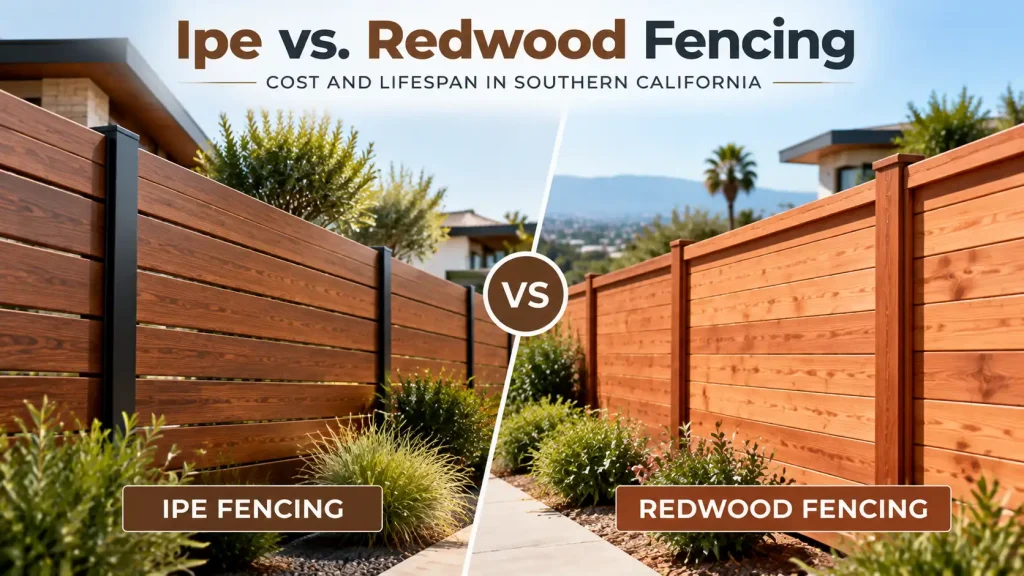
Selecting the right boundary material for a Southern California home requires balancing architectural style against the harsh local environment. The regional climate swings between intense UV sun exposure, dry Santa Ana desert winds, coastal marine layers, and persistent subterranean termite activity. For homeowners choosing between luxury and traditional wood perimeter designs, the decision almost always […]
