Choosing the right hardwood flooring thickness can make or break a project—especially in remodels, condos, or homes with strict height limitations. 1/2 hardwood flooring has become a popular solution for homeowners and contractors who want the warmth and value of real wood without the challenges of thicker flooring. This guide delivers the most complete, expert-backed explanation available, covering performance, installation, cost, and long-term value so you can make a confident, informed decision.
Short Answer — What Is 1/2 Hardwood Flooring?
1/2 hardwood flooring is real wood flooring manufactured at a half-inch thickness, available in both solid and engineered formats. It offers the authentic look and feel of hardwood while providing greater installation flexibility than traditional 3/4-inch hardwood.
It’s best suited for:
- Residential homes and remodels
- Condos and apartments with height restrictions
- Above-grade basements
- Projects requiring floor height alignment with existing surfaces
It becomes a better choice than 3/4 hardwood when subfloor height, door clearance, radiant heat compatibility, or budget considerations are critical.
What Is 1/2 Hardwood Flooring? (Core Explanation)
At its core, 1/2 hardwood flooring measures exactly 0.5 inches thick, making it thinner than standard solid hardwood but thicker and more durable than many engineered or laminate alternatives. Looking for expert guidance or professional installation? National Hardwood specializes in premium hardwood flooring solutions and can help you choose, install, and maintain the perfect 1/2 hardwood flooring for your space.
Manufacturing Overview
- Solid 1/2 hardwood flooring is milled from a single piece of wood.
- Engineered 1/2 hardwood flooring consists of a real hardwood wear layer bonded to layered plywood or fiberboard for added stability.
Common Wood Species
- Oak (red and white)
- Maple
- Hickory
- Walnut
- Birch
- Ash
Manufacturers adhere to industry tolerances for thickness, moisture content, and milling precision to ensure proper fit and performance.
How 1/2 Hardwood Flooring Differs From Standard Hardwood
- Thickness: 1/2″ vs 3/4″
- Weight: Lighter and easier to handle
- Stability: Engineered options resist expansion better
- Installation: Works well with glue-down and floating systems
- Performance: Excellent durability when properly installed, though refinishing capacity is more limited than thicker boards
Pros and Cons of 1/2 Hardwood Flooring
Advantages
- Easier transitions to tile or existing flooring
- Better compatibility with radiant heat systems
- Reduced material and installation costs
- Suitable for concrete subfloors (engineered versions)
- Authentic hardwood appearance
Limitations
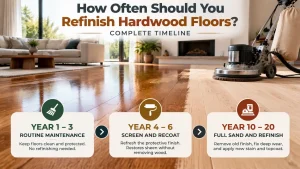
- Fewer refinishing cycles than 3/4 hardwood
- Solid versions are less forgiving with moisture
- Requires careful subfloor preparation
Refinishing Reality
Most 1/2 hardwood flooring can be refinished one to two times, depending on the wear layer thickness and sanding method.
When 1/2 Hardwood Flooring Is the Best Choice
- Renovations with limited floor height
- Matching adjacent rooms without step-ups
- Radiant heat installations
- Budget-conscious projects seeking real hardwood
Types of 1/2 Hardwood Flooring
Solid 1/2 Hardwood Flooring
- Made from a single wood piece
- Traditional nail-down installation
- Best for stable, dry environments
Engineered 1/2 Hardwood Flooring
- Multi-layer construction
- Superior moisture resistance
- Suitable for glue-down or floating installs
Pre-Finished vs Site-Finished
- Pre-finished: Faster installation, factory durability
- Site-finished: Custom stain and seamless look
Solid vs Engineered 1/2 Hardwood Flooring
| Feature | Solid | Engineered |
|---|---|---|
| Moisture Resistance | Low | High |
| Stability | Moderate | Excellent |
| Installation Methods | Nail-down | Glue, float, nail |
| Best Use | Dry, stable homes | Condos, basements |
Guide to Instal 1/2 Hardwood Flooring
Subfloor Inspection
Ensure the subfloor is flat, clean, and structurally sound.
Moisture Testing & Acclimation
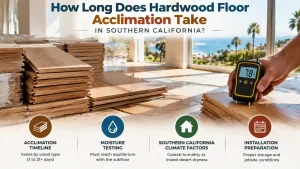
Test moisture levels and acclimate flooring for 48–72 hours.
Choose Installation Method
Select nail-down, glue-down, or floating based on product type.
Layout Planning
Plan board direction and leave proper expansion gaps.
Installation
Install boards using the chosen method, maintaining alignment and spacing.
Finishing & Care
Install trim, clean the surface, and follow manufacturer care guidelines.
Best Installation Methods for 1/2 Hardwood Flooring
- Nail-down: Solid wood over plywood
- Glue-down: Engineered wood over concrete
- Floating: Engineered only
Common mistakes to avoid: skipping moisture tests, improper adhesive use, inadequate expansion gaps.
1/2 Hardwood Flooring vs Other Flooring Options
Comparison Table — Flooring Thickness & Performance
| Feature | 1/2 Hardwood Flooring | 3/4 Hardwood | Engineered Hardwood | Laminate |
|---|---|---|---|---|
| Thickness | 1/2 inch | 3/4 inch | Varies | Thin |
| Durability | High | Very High | High | Medium |
| Refinishing | Limited–Moderate | Multiple times | Limited | No |
| Installation Flexibility | High | Medium | Very High | Very High |
| Cost | Moderate | Higher | Moderate | Low |
Cost of 1/2 Hardwood Flooring
- Materials: $4–$9 per sq. ft.
- Installation: $3–$7 per sq. ft.
- Solid vs Engineered: Engineered options often cost slightly more but save on installation flexibility.
Is 1/2 Hardwood Flooring Worth the Investment?
Yes especially for remodels. It offers strong ROI, improves resale value, and typically lasts 25–40 years with proper care.
Common Questions People Ask About 1/2 Hardwood Flooring
- Is 1/2 hardwood flooring durable enough for high-traffic areas?
- Can you refinish 1/2 hardwood flooring?
- Is 1/2 hardwood flooring good for basements?
- Does 1/2 hardwood flooring work with radiant heat?
- How long does 1/2 hardwood flooring last?
- Is 1/2 hardwood flooring better than engineered?
- Can 1/2 hardwood flooring be glued down?
- What subfloor is best for 1/2 hardwood flooring?
FAQs About 1/2 Hardwood Flooring
How many times can 1/2 hardwood flooring be refinished?
Usually one to two times.
What is the best wood species for 1/2 hardwood flooring?
Oak and maple offer the best durability.
Does 1/2 hardwood flooring increase home value?
Yes, real hardwood consistently boosts resale appeal.
Is moisture a problem for 1/2 hardwood flooring?
Engineered options handle moisture far better.
How thick should the wear layer be?
At least 2–3 mm for refinishing potential.
Is professional installation recommended?
Strongly recommended for longevity and warranty protection.
How do you maintain 1/2 hardwood flooring?
Regular sweeping, damp mopping, and protective pads.
What rooms are best for 1/2 hardwood flooring?
Living rooms, bedrooms, hallways, and above-grade basements.
Maintenance and Care for 1/2 Hardwood Flooring
- Sweep or vacuum daily
- Use manufacturer-approved cleaners
- Avoid excess water
- Install felt pads on furniture
- Maintain indoor humidity between 35–55%
Final Verdict — Is 1/2 Hardwood Flooring Right for You?
1/2 hardwood flooring is an excellent choice for homeowners who want real wood, installation flexibility, and long-term value without the challenges of thicker flooring. It excels in remodels, condos, and radiant-heated spaces. Avoid it only if you require multiple refinishing cycles or are installing below grade with solid wood.
From a contractor and homeowner perspective, it delivers the perfect balance of performance, aesthetics, and practicality making it one of the smartest hardwood flooring options available today.