When it comes to choosing flooring that combines beauty, durability, and sustainability, bamboo has emerged as a top contender. Increasingly popular among homeowners, designers, and architects, bamboo flooring offers an elegant, eco-friendly alternative to traditional hardwood. Companies like National Hardwood provide high-quality bamboo options, ensuring both style and long-lasting performance. But what makes it truly special? In this comprehensive guide, we’ll explore the benefits of bamboo flooring, explain its types, provide a step-by-step installation guide, compare it with other flooring options, and answer the most common questions everything you need to make an informed choice.
What Are the Benefits of Bamboo Flooring? (Short Answer)
For homeowners and designers seeking a balance of style, performance, and environmental responsibility, bamboo flooring delivers on multiple fronts:
- Durability: Resists scratches, dents, and everyday wear.
- Eco-Friendliness: Made from fast-growing bamboo, a renewable resource.
- Affordability: Typically more cost-effective than many hardwoods.
- Aesthetic Appeal: Offers natural elegance with a variety of colors and finishes.
This concise snapshot highlights why bamboo flooring has become a preferred choice in modern interiors.
Understanding Bamboo Flooring: Core Explanation
What Is Bamboo Flooring?
Bamboo flooring is made from the stalks of the bamboo plant, which is processed into strips, pressed, and treated to form planks suitable for home use. Unlike traditional hardwoods, bamboo is technically a grass, but its density and strength rival or even surpass many popular hardwood species.
Bamboo flooring comes in various forms:
- Solid Bamboo: Entirely made of compressed bamboo strips.
- Engineered Bamboo: Bamboo veneer over a plywood or fiberboard core.
- Strand-Woven Bamboo: Fibers are shredded and woven under high pressure, producing extremely dense planks.
Compared to traditional hardwood, bamboo is more renewable, often more affordable, and equally strong, making it an appealing eco-conscious alternative.
Types of Bamboo Flooring
- Solid Bamboo
- Pros: Durable, long-lasting, classic hardwood feel.
- Cons: Can expand or contract with humidity changes.
- Engineered Bamboo
- Pros: More stable in varying climates, suitable for basements.
- Cons: Slightly less dense than solid bamboo.
- Strand-Woven Bamboo
- Pros: Highly durable and dense, excellent for high-traffic areas.
- Cons: Higher cost than standard solid bamboo.
Top Benefits of Bamboo Flooring
Durability and Strength
Bamboo flooring is exceptionally strong. Strand-woven bamboo can even surpass oak in hardness, making it resistant to scratches, dents, and everyday wear. Homes with pets or heavy foot traffic particularly benefit from this strength.
Eco-Friendly and Sustainable
Bamboo grows rapidly often reaching maturity in just 5 years making it one of the most sustainable flooring options. Unlike hardwood trees, which may take decades to mature, bamboo harvesting has minimal impact on forests and ecosystems.
Affordability
While hardwood prices can fluctuate based on species and availability, bamboo flooring generally costs less than oak, maple, or cherry. Its combination of durability and cost-effectiveness makes it a practical choice for budget-conscious homeowners without sacrificing style.
Aesthetic Appeal
Bamboo flooring brings a natural elegance to any interior. Available in light, medium, and dark tones, it complements modern, rustic, and minimalist decor. Different finishes—from natural matte to high-gloss—allow homeowners to customize their look.
Easy Maintenance
Bamboo is low-maintenance. Regular sweeping or vacuuming keeps dust and dirt at bay, and occasional mopping with a damp cloth preserves its finish. Its natural stain resistance is an added bonus for busy households.
Hypoallergenic and Health-Friendly
Unlike carpets, bamboo does not trap dust, pollen, or pet dander. This makes it an excellent choice for allergy sufferers, promoting a healthier indoor environment.
Moisture and Climate Resistance
Engineered and strand-woven bamboo are particularly resistant to moisture and climate variations. While solid bamboo can expand or contract slightly in humid conditions, engineered options offer stable performance across different environments.
Guide to Install Bamboo Flooring
Preparation and Subfloor Requirements
Ensure the subfloor is clean, dry, level, and structurally sound. Remove any debris and repair uneven areas. For concrete subfloors, a moisture barrier is recommended.
Acclimation of Bamboo Flooring
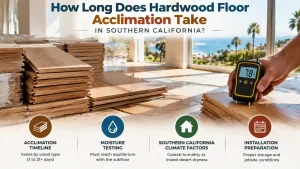
Before installation, let bamboo planks acclimate in the room for 48–72 hours. This allows the wood to adjust to humidity and temperature, reducing expansion or contraction after installation.
Installation Methods
- Floating: Planks interlock without glue or nails, ideal for DIY.
- Nail-Down: Secured with nails, providing a permanent, solid foundation.
- Glue-Down: Adhesive secures planks directly to the subfloor, often used over concrete.
Finishing and Maintenance Tips
After installation, apply a sealant if needed, polish for added shine, and maintain with gentle cleaning solutions. Routine care extends lifespan and keeps bamboo flooring looking pristine.
Bamboo Flooring Comparison Table
| Feature | Solid Bamboo | Engineered Bamboo | Strand-Woven Bamboo | Hardwood (Oak/Maple) |
|---|---|---|---|---|
| Durability | High | Medium | Very High | High |
| Cost | Medium | Low | Medium-High | High |
| Eco-Friendliness | Excellent | Good | Excellent | Low |
| Installation | Nail/Glue | Floating | Floating/Glue | Nail/Glue |
| Moisture Resistance | Medium | High | High | Medium |
| Maintenance | Low | Low | Low | Medium |
This table provides a quick reference for comparing bamboo to other flooring types.
Common Questions About Bamboo Flooring (FAQs)
Is bamboo flooring better than hardwood?
Bamboo flooring can be stronger, more sustainable, and cost-effective than many hardwoods. Strand-woven bamboo often surpasses oak in durability.
How long does bamboo flooring last?
With proper care, bamboo flooring can last 20–25 years or more, depending on the type and traffic conditions.
Can bamboo flooring be refinished?
Yes. Solid and some engineered bamboo floors can be refinished to restore color and remove minor scratches.
Is bamboo flooring waterproof?
Bamboo is naturally moisture-resistant, but not fully waterproof. Engineered and strand-woven bamboo handle humidity better than solid bamboo.
Does bamboo flooring scratch easily?
Strand-woven bamboo is highly scratch-resistant, while solid and engineered types may show minor wear over time, especially in high-traffic areas.
Is bamboo flooring environmentally friendly?
Absolutely. Bamboo grows quickly and requires less water and fewer chemicals than many hardwood species, making it a top eco-friendly choice.
Can bamboo flooring be installed over concrete?
Yes, especially engineered or strand-woven bamboo with a proper moisture barrier. Solid bamboo can be used but may require glue-down installation.
How do I clean and maintain bamboo flooring?
Sweep or vacuum regularly. Use a damp mop with mild cleaner, avoid harsh chemicals, and apply polish or sealant as recommended by the manufacturer.
Conclusion: Why Bamboo Flooring Is the Smart Choice
Bamboo flooring offers an unbeatable combination of durability, eco-friendliness, affordability, and aesthetic versatility. Whether you’re a homeowner seeking a stylish update or a designer aiming for sustainable solutions, bamboo provides a long-lasting, beautiful flooring option. With proper installation and care, it can elevate any space while contributing to a healthier environment.
If you’re weighing flooring choices, bamboo’s benefits make it a smart investment an eco-conscious, durable, and visually stunning choice that truly stands the test of time.