Cedar siding has a natural beauty that homeowners love to show off, but it also needs protection from sun, rain, and the everyday wear of outdoor life. The two main ways to give it that protection are wood stain and paint, and choosing between them is one of those decisions that shapes how your home looks and how much upkeep you sign up for. Both work well in their own way, so the right answer really comes down to your style, your climate, and how much maintenance you want to deal with down the road.
What Cedar Siding Brings to the Table
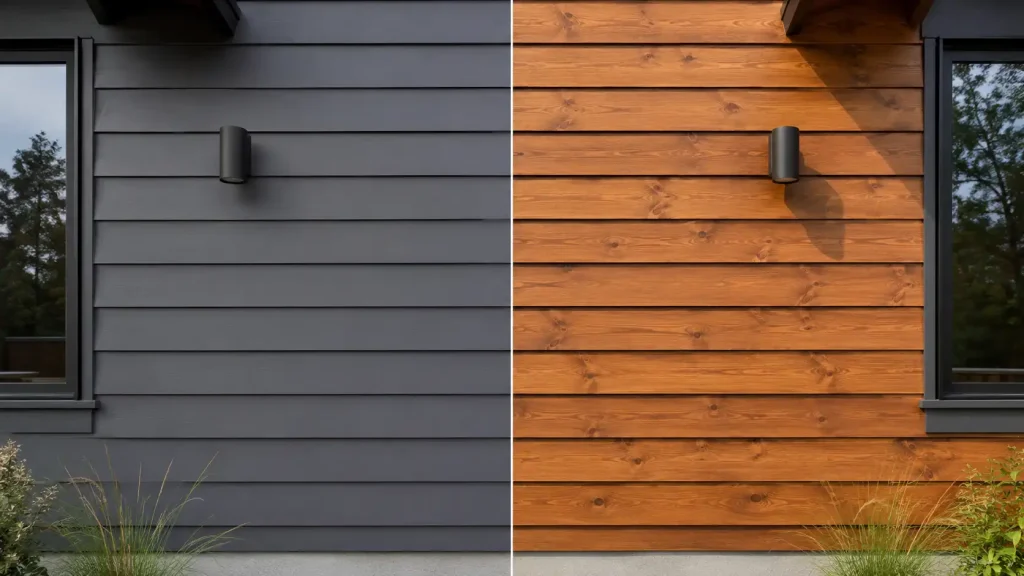
Cedar is a softwood with natural oils that resist rot, insects, and moisture far better than most other species used for siding. It comes with rich color variations, prominent grain patterns, and that classic warm tone that gives homes a lot of character.
Because cedar is already a beautiful wood on its own, many homeowners want to keep that look visible, while others prefer a bolder, more uniform appearance. The finish you pick on top of cedar plays a big role in how long the siding lasts and how often it needs attention.
How Wood Stain Works on Cedar
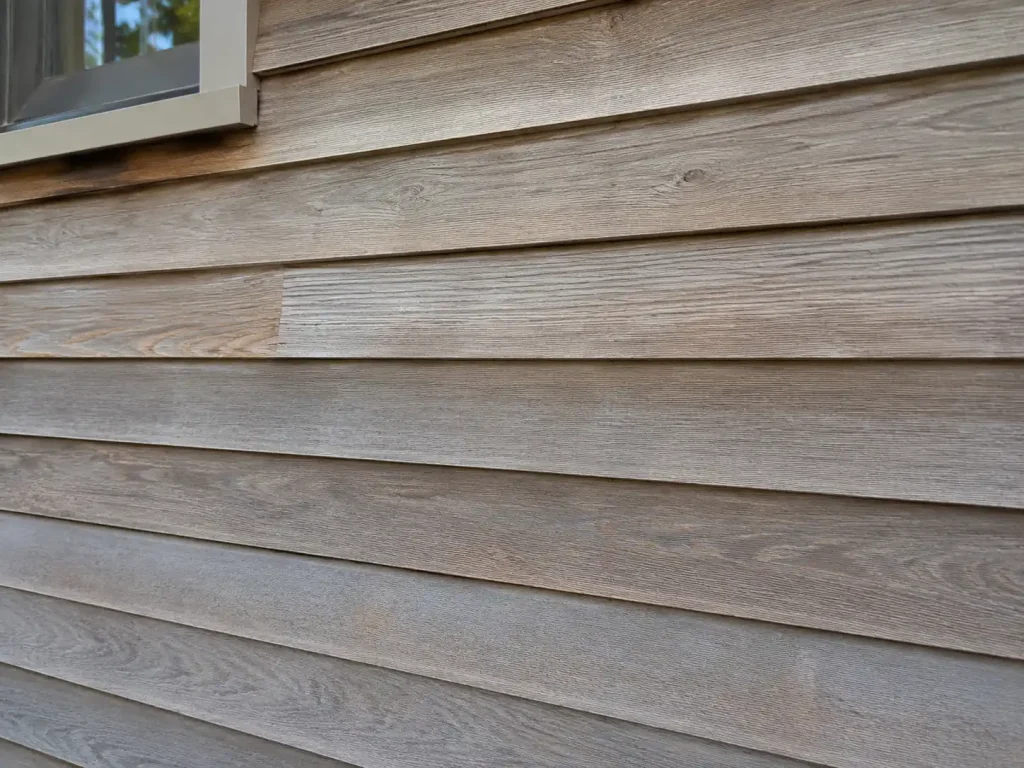
Stain soaks into the wood rather than sitting on top of it. This means the natural texture and grain of the cedar stay visible, giving the siding a more organic, lived-in look.
Why People Pick Stain
Stain lets the wood breathe. Cedar shifts slightly with humidity and temperature, and stain moves with it. This flexibility reduces the chances of cracking, peeling, or flaking over time. Stain also highlights the cedar’s natural grain instead of hiding it, which is exactly what a lot of homeowners want when they pay for real cedar in the first place. Application is fairly simple, and touch-ups can be done without stripping anything away.
What to Watch Out For
Stain offers fewer color choices than paint. You can pick from clears, semi-transparents, semi-solids, and solid stains, but you won’t find the wide palette that paint provides. Stain also tends to fade faster under direct sun, especially on south-facing walls, so it usually needs reapplication every three to seven years depending on the product and your climate.
How Paint Works on Cedar
Paint sits on the surface of the wood, forming a protective film that locks moisture out and gives the siding a solid, finished color. It hides the wood grain almost completely, so the cedar reads more like a smooth, painted exterior than a natural wood surface.
Why People Pick Paint
Paint offers nearly any color you can imagine, from soft neutrals to bold designer shades. The protective layer it forms is thick and shields cedar from UV rays, moisture, and air pollutants effectively. A quality exterior paint job on cedar can last seven to ten years or even longer if the prep work is done right. For homeowners who want a clean, polished look that matches modern design trends, paint delivers that easily.
What to Watch Out For
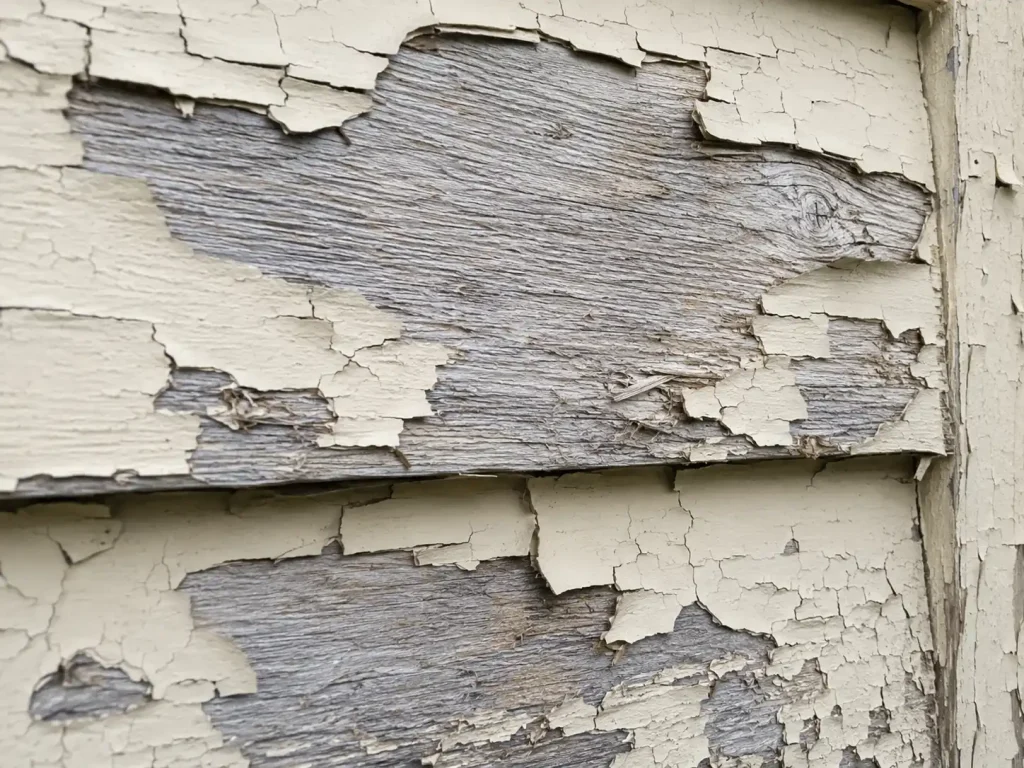
Once you paint cedar, going back to a natural or stained look is a serious project. Paint peels, cracks, and chips when moisture gets trapped underneath, which is a real risk on softwood like cedar that absorbs water through its grain.
Prep is also more demanding. The wood needs to be cleaned, primed, and properly sealed before paint goes on, and skipping steps leads to failure within just a few years. If you are dealing with a surface that is already failing, you can read this guide on why paint peels on cedar siding and how to fix it to fix the coating root cause.
Stain and Paint Side by Side
A few practical differences stand out when comparing the two on cedar:
- Appearance: Stain keeps the wood grain visible, paint covers it completely.
- Color options: Paint wins with thousands of colors, stain stays limited to natural wood tones and a few solid shades.
- Lifespan: Paint typically lasts longer per application, but it fails more dramatically when it does fail.
- Maintenance: Stain calls for more frequent reapplication, though touch-ups are easier and less labor intensive.
- Breathability: Wood stain allows the timber to breathe naturally, while standard paint forms an airtight barrier.
- Reversibility: Stain can be easily recoated or switched, paint is hard to undo once applied.
Cost and Long-Term Maintenance
On the upfront side, stain and paint sit at similar price points per gallon, though premium exterior paints often cost more than equivalent stains. Where things shift is over the long haul.
Stain may need reapplication every four to seven years, while a quality paint job can stretch to ten years or more. That said, repainting cedar usually involves scraping off old paint, sanding, and priming again, which adds significant labor cost. Before setting up your budget, you can review our complete guide on how much it costs to paint cedar siding to analyze the full pricing breakdown.
Restaining is often just a wash and recoat, which most homeowners can handle themselves with a sprayer and a weekend.
When Stain Is the Better Choice
Stain works best when you bought cedar specifically for its natural look, when your home sits in a heavily wooded or rustic setting, or when you want a finish that ages gracefully without sudden failure. It is also the smarter pick if you ever plan to refinish the siding back to bare wood. Homes in dry climates with moderate sun exposure tend to get the most years out of a stain finish.
When Paint Is the Better Choice
Paint suits homeowners who want a specific color, a modern or traditional architectural style, or a uniform look across the whole exterior. It also works well on older cedar that has weathered and lost its visual appeal, since paint covers imperfections that stain would only highlight.
Coastal areas with heavy rain and salty air often benefit from paint’s thicker protective barrier. If you decide to go with paint, make sure you choose the best exterior paint for cedar siding along with the proper tannin-blocking coatings to avoid discoloration.
Making the Right Call for Your Home
The honest answer is that neither stain nor paint is universally better. They serve different goals. If you love the way real cedar looks and want a low-maintenance finish that ages naturally, stain is hard to beat. If you want strong color, long stretches between repaints, and a polished exterior look, paint earns its place.
Whatever direction you go, the care taken during application matters more than the choice itself. Ensure the wood is completely clean, dry, and sealed. If you are starting your project from scratch, make sure your crew follows our exact process on how to prep cedar siding before painting to ensure maximum coating adhesion.