Wholesale hardwood flooring offers substantial savings for homeowners, contractors, and designers who know where to look. Buying direct from distributors or manufacturers eliminates retail markups that can add 30 to 50 percent to the final price. The key lies in finding legitimate wholesale sources that provide quality products at genuinely reduced prices. With the right approach, buyers can install the same flooring found in retail showrooms while keeping thousands of dollars in their pockets.
What Wholesale Pricing Actually Means
Wholesale hardwood flooring refers to products sold at distributor-level pricing rather than retail rates. Traditional retail involves multiple markups as products move from manufacturer to distributor to retailer to consumer. Each step in that chain adds cost. Wholesale buying removes one or more of those intermediaries. Legitimate wholesale pricing typically runs 25 to 40 percent below retail on comparable products. The savings accumulate quickly on larger projects where material costs showcase a significant portion of the total budget.
Trade vs. Public Wholesale
Some wholesale operations serve trade professionals only, requiring business licenses or contractor credentials. Others open their doors to the public, offering wholesale pricing to anyone willing to buy in sufficient quantities. Public wholesale outlets have become increasingly common as more homeowners take on their own renovation projects. These operations recognize that educated consumers showcase a valuable market segment willing to trade convenience for savings.
Finding Legitimate Wholesale Sources
Not every business advertising wholesale hardwood flooring delivers genuine wholesale pricing. Some retailers simply use the term as a marketing tactic while charging near-retail rates. Legitimate wholesale operations typically maintain large warehouse facilities, carry inventory from multiple manufacturers, and demonstrate expertise in hardwood species and grades. These businesses invest in inventory and storage because they move high volumes at lower margins.
Questions to Ask Suppliers
Smart buyers ask about minimum order requirements, return policies, and delivery options. They request information about wood grades, moisture content, and country of origin. Reputable wholesale suppliers provide detailed specifications and stand behind their products with clear warranty terms. Vague answers or reluctance to discuss product details suggests a supplier may not be worth the risk. A willingness to educate customers indicates a supplier confident in their products and pricing.
Volume Requirements & Bulk Buying
Wholesale hardwood flooring often comes with minimum purchase requirements. These minimums range from 100 square feet at some outlets to full container loads at import operations. Most homeowners installing floors in a single room can meet the lower thresholds easily. Larger projects benefit from even steeper discounts as volume increases. Some wholesalers offer tiered pricing that rewards bigger orders with progressively lower per-square-foot costs.
Calculating Your Needs
Accurate measurement prevents both shortfalls and expensive overages. Standard practice adds 10 percent to the measured square footage to account for cuts and waste. Rooms with many angles or obstacles may require 15 percent overage. Ordering too little means paying retail prices for a second small order, while ordering too much ties up money in unused material. Many wholesalers can help verify calculations before processing orders.
Quality Considerations at Wholesale Prices
Lower prices do not necessarily mean lower quality in the wholesale market. Many wholesale operations carry the same products found in retail showrooms at significantly reduced prices. The savings come from reduced overhead and higher volume, not inferior materials. Some wholesale suppliers specialize in closeouts and overstock from major manufacturers, offering first-quality flooring at steep discounts. These opportunities arise when manufacturers discontinue colors or retailers over-order.
Grading Standards
Hardwood flooring grades indicate the amount of natural variation in the wood. Select and Clear grades contain minimal knots and color variation. Common grades show more natural character with knots and mineral streaks. Both grade levels come from quality lumber and perform equally well. Being in the know of grades helps buyers choose the appearance they prefer without overpaying for characteristics they may not want. Grade selection should reflect design preferences, not quality concerns.
Installation Considerations
Wholesale hardwood flooring purchased directly may not include installation services. Buyers need to arrange their own installation through independent contractors or handle the work themselves. This separation actually works in the buyer’s favor. Retail stores often bundle installation at inflated rates. Sourcing flooring and installation separately typically costs less overall and allows homeowners to choose their preferred installer based on reputation and expertise.
Acclimation Requirements
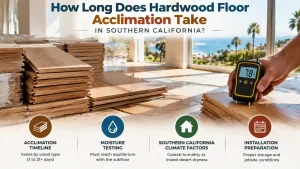
Wood flooring must acclimate to the home environment before installation. This process takes three to five days minimum and allows the wood to adjust to local humidity levels. Wholesale buyers need to plan for this acclimation period when scheduling their projects. Skipping this step leads to gaps, buckling, or cupping after installation. Proper acclimation requires opening boxes and spreading material in the rooms where installation will occur.
Warranty & Support
Reputable wholesale suppliers honor manufacturer warranties on the products they sell. Some offer their own additional coverage. Being aware of the warranty terms before purchase protects buyers from unexpected costs. Keep all documentation, including invoices and warranty cards, in case issues arise later. Proper installation by qualified professionals typically showcases a warranty requirement that buyers should not overlook.
Making the Wholesale Decision
Wholesale hardwood flooring makes sense for buyers willing to do their homework. The savings justify the extra effort required to find legitimate suppliers, calculate quantities, and coordinate separate installation. Homeowners undertaking larger projects stand to save thousands of dollars. Even smaller jobs benefit from wholesale pricing when minimum requirements can be met. The quality of wholesale flooring matches retail options while the price does not. For buyers who value both quality and value, wholesale purchasing provides the best of both priorities.