Mouldings are designed for a specific purpose—framing a door, accentuating hallways and stairways, or providing a visual transition at the junction of walls and flooring, and to dress up a room. So many types of moulding decorate our homes today, it’s often difficult to distinguish them, and learn which types you should purchase for your home remodeling project. Our mouldings are available in a wide variety of species, including Solid and FJ Pine, and Standard MDF, Fir, Redwood, Oak, Poplar, Cherry, Maple, Mahogany, Alder, Resin, and Polyurethane. Discover all the different types of mouldings and their benefits below.


Medium-Density Fiberboard (MDF) is a high-grade, composite material that is not suitable for every construction project, but it is ideal for making low-cost high quality mouldings. Moulding products tend to come primed, making it easy to paint.


Flexible moulding is just right for curved applications, allowing builders to easily add crown moulding, chair rails, decorative trim and more to absolutely any surface. The moulding has the appearance of real wood and can be easily installed using standard woodworking equipment to cut, sand, shape and finish, just like wood.


Whether it’s MDF, Hardwood, or Flexible, we have solutions to customize to your needs. Our reputation in the industry is very high, and we ensure that each job is taken care of on time. That’s so important to the builders we work with because for every month a unit isn’t occupied, that’s money lost. Not only that, but our experience allows us to recommend products that can help our customers stay within their budget as well as attain the quality they’re looking for.


Moulding comes in a variety of species and densities. Understanding the material differences and selecting the right one for your project is key to a successful installation and end result.
| MDF | Finger Joint | Softwood | Hardwood | |
|---|---|---|---|---|
| Materials | Wood fibers and resin | Pine, poplar | Pine, fir, hemlock, alder, poplar | Oak, maple, cherry, mahogany, walnut |
| Best Finishes | Painted | Painted | Clear, stained or painted | Clear or stained |
| Weight | Moderate | Moderate | Moderate | Heavy |
| Installation | Similar to solid wood but produces more sawdust | Same as softwood | Can be cut with hand tools | Difficult to cut with hand tools; requires predrilling before hand-nailing |
| Cost | Economical | Economical to moderate | Moderate | Investment |
| Pros | Long, consistent lengths of trim available | Environmentally friendly, smaller lengths joined together to eliminate waste | Allows for sustainable product at a moderate price | Crisp edges can be milled into hardwoods |
| Cons | Moulded edges must be softened to avoid flaking | May require some sanding before painting | More susceptible to denting when used in high-traffic areas | Can have restrictions in trim lengths and widths |
These products provide a decorative and functional accent. Moulding can be installed with square cuts by simply butting the square end of the moulding to the side of the block or rosette.


Dentil moulding consist of small, evenly spaced blocks in a repeating pattern. It is often used in historic homes.


Our showroom is readily stocked with essential items that its commercial and residential customers request. We’re able to accommodate all the needs, from the smallest nails to the most powerful sanders.
We inventory a vast assortment of stains and finishes, and specialized tools. Basically, there’s something for everyone.

Our experienced team can answer your questions and help you choose the best hardwood flooring and products for your lifestyle and space.
National Hardwood Flooring & Moulding supplies moulding and trim products to contractors, homeowners, and designers throughout Southern California. Our Van Nuys location stocks hardwood moulding, MDF moulding, and custom trim options for residential and commercial projects. As a molding supplier serving the Los Angeles area since 1984, we provide baseboards, casings, crown moulding, and specialty profiles in stock and custom configurations.
The choice between MDF and hardwood moulding depends on the installation environment, paint or stain requirements, and budget considerations.

MDF moulding consists of medium-density fiberboard manufactured from wood fibers bonded with resin under heat and pressure. The material machines to consistent profiles without the grain variations present in solid wood. MDF accepts paint well and provides a smooth finish surface.
MDF costs less than hardwood moulding in most profile styles. The material works well for painted applications where staining is not required. MDF is not recommended for areas with moisture exposure, as the material can swell and deteriorate when wet. Bathrooms, kitchens with high humidity, and exterior applications require hardwood or moisture-resistant alternatives.
Hardwood moulding is milled from solid wood species including oak, maple, poplar, and specialty hardwoods. The material accepts stain and clear finishes, allowing the wood grain to remain visible. Hardwood moulding provides durability in high-traffic areas and resists impact damage better than MDF.
Hardwood moulding costs more than MDF but offers longevity and the ability to refinish over time. The material suits applications where stained or natural wood finishes are specified. We stock hardwood moulding in multiple species and can match existing trim profiles for renovation projects.
Primed MDF moulding arrives with a factory-applied primer coat ready for finish painting. The primed surface reduces preparation time and provides consistent paint adhesion. Primed MDF works well for new construction and renovation projects with painted trim specifications.
Our moulding inventory includes profiles for standard residential and commercial applications.

Baseboard moulding covers the joint between walls and flooring. We stock baseboards in heights from 3 inches to 7 inches in colonial, ranch, contemporary, and custom profiles. Available materials include MDF, primed MDF, oak, maple, poplar, and specialty hardwoods.
Taller baseboards suit rooms with higher ceilings and formal design specifications. Standard 3-inch to 4-inch baseboards work well for typical residential applications. We can match existing baseboard profiles for addition and renovation projects.
Casing moulding frames door and window openings. We stock casing profiles in colonial, craftsman, ranch, and contemporary styles. Casing widths range from 2-1/4 inches to 3-1/2 inches in MDF and hardwood options.
Matching casing and baseboard profiles creates visual consistency throughout a space. Our staff can help identify complementary profiles for projects specifying coordinated trim packages.
Crown moulding covers the joint between walls and ceilings. We stock crown profiles in sizes from 2-1/4 inches to 6 inches and larger. Available styles include traditional cove, ogee, dentil, and contemporary profiles.
Crown moulding installation requires compound angle cuts at corners. We stock crown moulding in materials suited to both painted and stained applications. For rooms with standard 8-foot ceilings, smaller crown profiles maintain proportion. Taller ceilings accommodate larger crown moulding sizes.
Chair rail moulding installs at chair-back height to protect walls and provide a visual transition point. Panel moulding creates decorative wall frames and wainscoting details. We stock both profile types in MDF and hardwood options.
National Hardwood provides custom moulding services for projects requiring non-standard profiles or matching to existing trim.
Older homes and historic buildings often feature moulding profiles no longer in standard production. We can match existing profiles by creating custom knife sets for our moulding equipment. Bring a sample of the existing moulding to our showroom for profile matching consultation.
Architects and designers can specify custom moulding profiles for new construction and renovation projects. We work from drawings and specifications to produce moulding in the required profile and material. Minimum order quantities apply to custom moulding production.
Custom moulding is available in oak, maple, poplar, walnut, cherry, mahogany, and other hardwood species. Species selection affects the finished appearance, staining characteristics, and cost of the moulding. Our staff can recommend species based on the project finish specifications and budget.
Custom moulding is available in finger-jointed and solid configurations. Finger-jointed moulding consists of shorter wood pieces joined end-to-end, suitable for painted applications. Solid moulding uses continuous lengths of wood for stained and clear-finished installations.

National Hardwood provides volume pricing for contractors purchasing moulding for multi-unit projects and ongoing work.
Licensed contractors and flooring professionals qualify for trade pricing on moulding purchases. Volume discounts apply to orders meeting minimum quantity thresholds. Contact our sales team to establish a contractor account.
Our warehouse stocks moulding quantities sufficient for multi-unit residential and commercial projects. Contractors can source baseboards, casings, and crown moulding for entire developments without extended lead times.
We deliver moulding materials to job sites throughout Los Angeles County, Ventura County, and surrounding areas. For multi-phase projects, we schedule staged deliveries matching the installation timeline.
Our staff assists with material takeoffs based on project specifications and floor plans. Accurate moulding estimates account for waste factors and corner pieces to ensure sufficient materials for project completion.
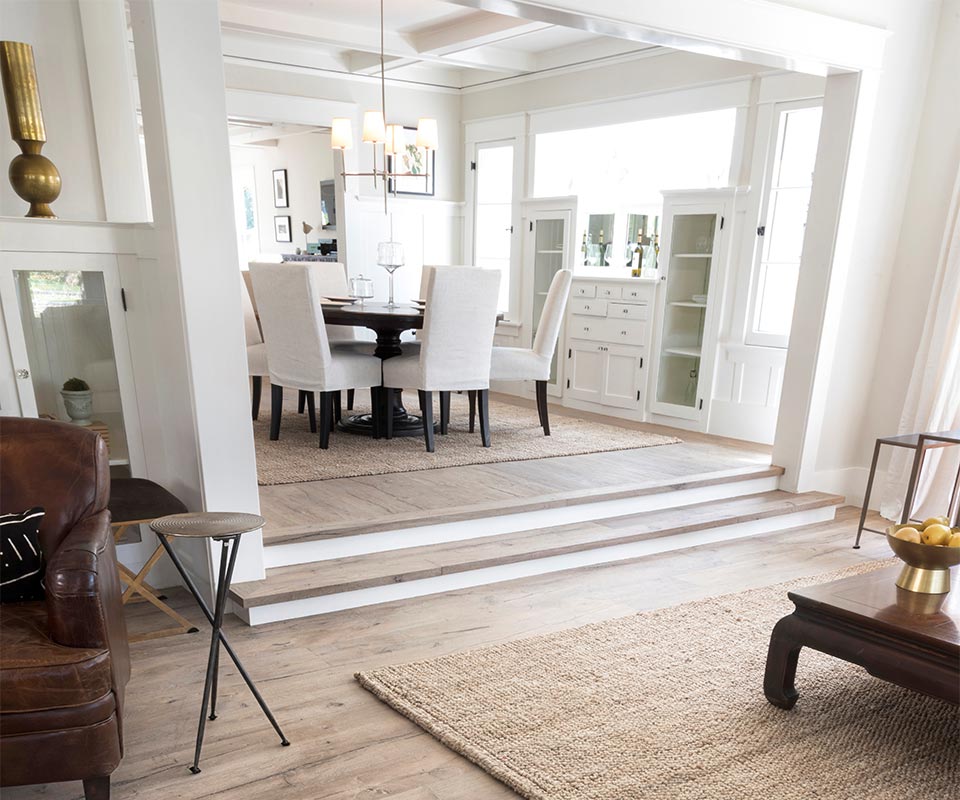
Our showroom displays moulding samples across profile styles and materials. Visitors can compare MDF and hardwood options, view crown moulding profiles, and consult with staff on product selection.
14959 Delano Street Van Nuys, CA 91411
Monday through Friday: 7:30 AM to 5:00 PM Saturday: 8:00 AM to 3:00 PM Sunday: Closed
Phone: (800) 848-5556 or (818) 988-9663
National Hardwood serves as a trim supplier to contractors and homeowners throughout the San Fernando Valley, Los Angeles, and Southern California. Contact our sales team for product availability, custom moulding quotes, and contractor account setup.
Specials & Promotions

Sign up for National Hardwood Flooring & Moulding Mobile Deals!
Text “Special” to (818) 645-6320 to sign up for special discounts & promotions.


