While Domestic woods like Oak and Maple are classic choices, Exotic hardwood species offer a level of drama and durability that is hard to match. Sourced from regions like South America, Africa, and Asia, these woods bring vibrant colors and incredible hardness to a home. At National Hardwood, we offer a curated selection of exotic species for homeowners looking to make a bold statement.
1. The Positives (The Pros)
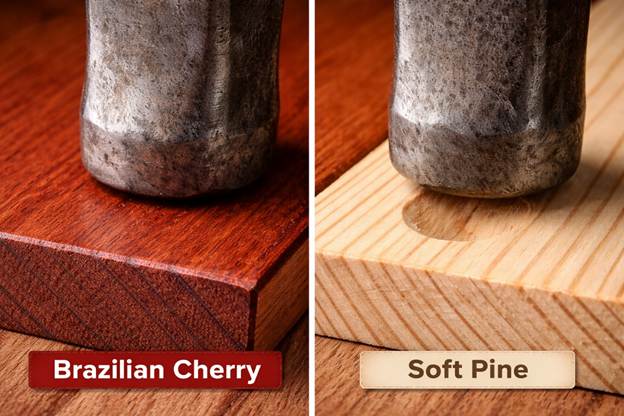
Incredible Janka Hardness Many exotic species, such as Brazilian Cherry (Jatoba) or Ipe, are significantly harder than domestic Oak. This means they are naturally more resistant to dents, heavy furniture, and high-traffic wear.
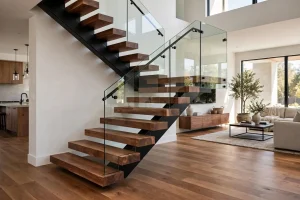
Stunning, Unique Colors Unlike domestic woods that usually require stains to achieve deep colors, exotic hardwoods are naturally vibrant. From the deep reddish-browns of Mahogany to the striking orange-and-black stripes of Tigerwood, these floors offer a natural beauty that no stain can replicate.
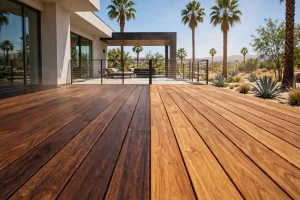
Exceptional Longevity Because of their extreme density, many exotic woods are naturally resistant to rot and insects. When installed correctly, an exotic hardwood floor can easily last a lifetime, maintaining its rich color and structural integrity for decades.
2. The Negatives (The Cons)
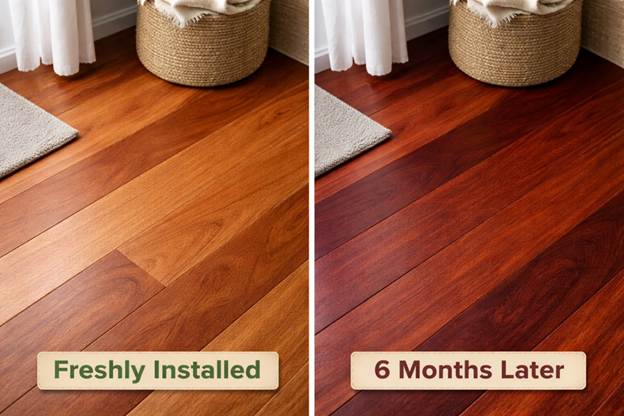
Sensitivity to Light (Photosensitivity) Exotic woods are famous for their patina. For example, Brazilian Cherry might arrive as a tan color but will darken into a deep burgundy over a few months of exposure to sunlight. Homeowners must be prepared for this natural color shift.
Installation Complexity Due to their extreme hardness, exotic woods are much more difficult to cut, nail, and sand. They require specialized tools and experienced installers who know how to handle high-density timber without splitting the planks.
Higher Price Point Because these species are imported and often rarer than domestic wood, the cost per square foot is higher. However, many homeowners view this as an investment in the unique character and long-term equity of their home.