


National Hardwood offers a full line of professional-grade adhesives designed specifically for the hardwood flooring and woodworking industry.
Solvent based adhesives are the second major type of adhesives which unlike the first option described above, can be used with a broad range of installations. However, they do contain solvents, which are non-hazardous and evaporate after a few weeks of installation).
And the third possibility – urethane-based adhesives, also called moisture-cure adhesives. They are most versatile, offering the largest range of applications. Moreover, they guarantee the greatest installation security.
As is the case with most decisions you take, flooring adhesives must be chosen consciously, after weighing down pros and cons of each option, you should choose the very best quality which you can afford. Do not ever look for the cheapest products taking into account only the price factor – by compromising on the quality of your wood flooring adhesive, you can end up with an unsatisfactory end result. The market abounds with various types of adhesives. There are also a lot of wood flooring adhesive brands offering products which differ in terms of quality and price. In our opinion it’s best to check them for three major features, including strength, durability and compatibility. The first one – strength should ensure a stable bond between the flooring and the subfloor. Durability determines whether the given adhesive will stand the test of time. And the third aspect – compatibility ensures that the adhesive is appropriate for both materials that it should bond. And finally, remember that it is always best to consult someone who has experience and expertise in this field for helpful advice on which adhesive best suits your project. However, even if you’ve hired professionals to install the floor for you, it is always a good idea to double check that the wood flooring adhesive chosen by them suits the recommendation of your flooring supplier. By doing so, you can be sure that all the right choices have been made for your project.
As the name suggests, this type of finish penetrates the wood and fills the pores to create a durable seal. Penetrating oil consists of a blend of natural oils, usually including tung oil. Tends to turn an amber color over time. Very durable. Mild odor, low VOC, mellow sheen. Simple to apply and touch up. Needs long drying times between coats––usually 24 to 48 hours––but will turn whitish in color if it is allowed to dry too quickly. Penetrating oil is good for use on antique flooring.
This was a common hardwood floor finish of choice before polyurethane finishes were created. Wax seeps into the pores of the wood to give it extra durability, but it’s vulnerable to water damage. Wax needs regular maintenance and is not as durable as poly. Low luster, amber appearance. Tends to darken the wood. Low VOC content.
Our showroom is readily stocked with essential items that its commercial and residential customers request. We’re able to accommodate all the needs, from the smallest nails to the most powerful sanders.
We inventory a vast assortment of stains and finishes, and specialized tools. Basically, there’s something for everyone.
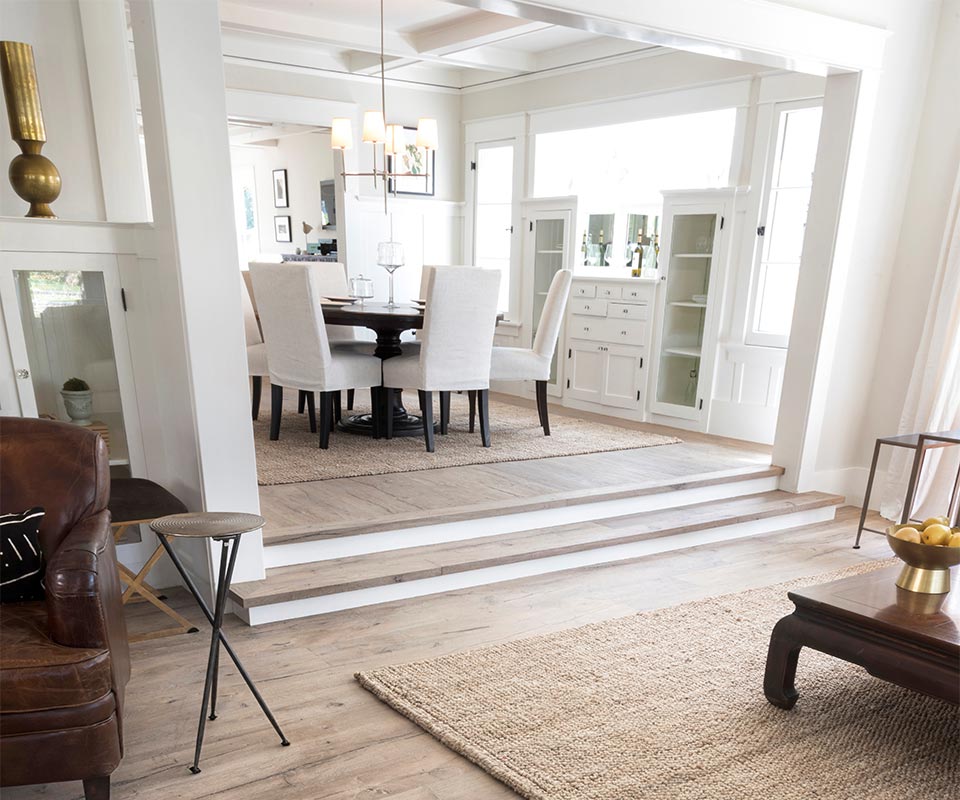
Our experienced team can answer your questions and help you choose the best hardwood flooring and products for your lifestyle and space.


Specials & Promotions

Sign up for National Hardwood Flooring & Moulding Mobile Deals!
Text “Special” to (818) 645-6320 to sign up for special discounts & promotions.


